Table of Contents
Tokenizer.Estate has released a new long-form article, “Tokenization in Hong Kong”, on its educational blog. The piece has released guide on how Hong Kong is building a regulated home for real estate tokenization, covering the city’s rules, pilot projects and open questions for developers, investors and infrastructure providers around the world. The article continues the platform’s “country cases” series on global tokenization hubs.
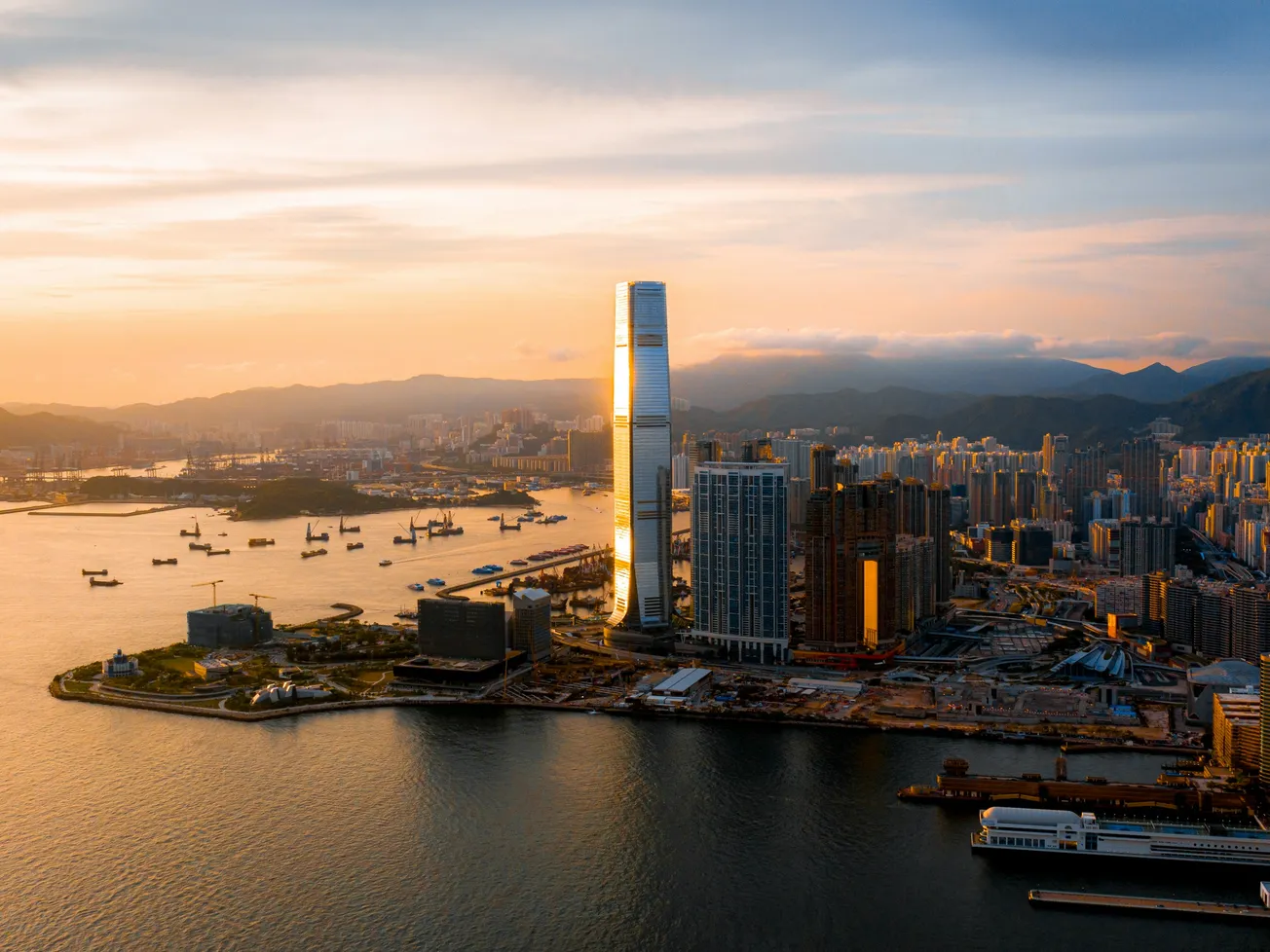
Hong Kong plays a special role in Asian finance. The city combines deep capital markets, strong rule of law and some of the world’s highest real estate prices. At the same time, local officials are pushing digital innovation. Because of this mix, any change in Hong Kong’s approach to tokenized assets is watched closely by banks, asset managers and property developers.
Real estate tokenization means turning property rights or future cash flows into digital tokens on a blockchain. Each token represents a small slice of a building, loan or rental stream. Instead of a few large investors buying an entire tower, many smaller investors can hold tokens and trade them more easily, while still remaining inside the existing securities and investor-protection rules.
The new article places these ideas inside Hong Kong’s recent regulatory story. It explains how the city’s securities regulator has published roadmap for virtual assets, and how policymakers are testing tokenized funds and bonds before scaling up. One local newspaper article has described ecosystem where digital assets connect the real economy, adding context to these developments.
Recent Reuters coverage has outlined measures to license more digital-asset platforms and link them with tokenized products. In that report, Hong Kong Financial Secretary Paul Chan said, “These initiatives reflect our commitment to building a thriving digital asset ecosystem,” a line that helps explain why tokenization policy in the city draws so much global attention.
For Tokenizer.Estate readers, the Hong Kong guide also sits alongside earlier explainers on other regions and asset types, giving a broader real-world asset picture. Together, these materials help real estate professionals follow the shift from traditional property deals toward regulated, token-based structures, and understand how Hong Kong’s cautious but ambitious strategy may influence tokenization projects far beyond the city itself.