
Pakistan Eyes Trump-Linked Digital Dollar Token
Real estate tokenization news today: Pakistan studies regulated USD stablecoin payments with SC Financial Technologies.

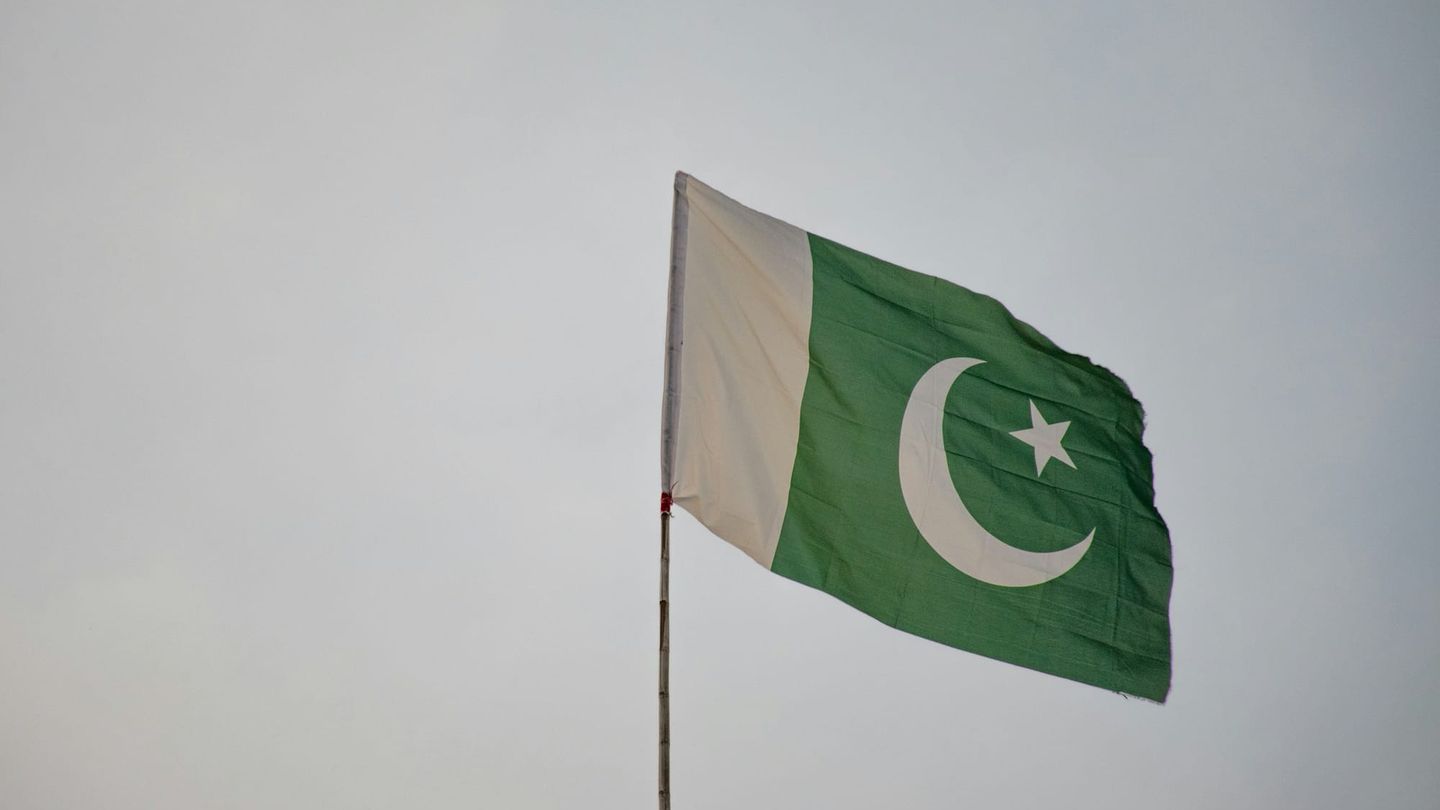
Pakistan has signed a cooperation agreement with SC Financial Technologies, an affiliate of World Liberty Financial, to explore using the USD1 stablecoin for cross-border payments in a regulated way. Officials say the token would sit alongside the country’s developing digital-rupee infrastructure, with technical workstreams managed with the central bank. The move is framed as part of a wider plan to modernize remittances and reduce frictions in dollar flows.
Reuters report agreement, noting that the memorandum enables “dialogue and technical understanding” and that World Liberty co-founder and SCFT CEO Zach Witkoff joined meetings in Islamabad. The arrangement would study how a dollar-pegged token could integrate with Pakistan’s payment rails while keeping compliance, FX, and settlement controls under domestic oversight.
Local outlets also add details that the central bank will lead integration work so USD1 can operate within a regulated structure rather than on unlicensed platforms (Business Recorder). The plan points at remittances—over $30 billion annually—as a first use case, where faster settlement and lower fees could help households and small businesses.
World Liberty is the main crypto venture tied to the Trump family, and its USD1 token has been used in high-profile deals. A leading Pakistani daily outline context, reiterating that the MoU links a Trump-associated issuer with a sovereign program for the first time (Dawn). For authorities, the political link heightens the need for transparency around reserves, on-/off-ramps, and custody.
“The government’s focus is to stay ahead of the curve by engaging with credible global players, understanding new financial models, and ensuring that innovation, where explored, is aligned with regulation, stability, and national interest,” said Muhammad Aurangzeb, Pakistan’s Finance Minister. He added that any pilot must protect consumers and the banking system while improving speed and access for users.
For real-estate tokenization, a compliant “digital dollar” could be a missing rail. If escrowed rents, deposits, and distributions can move in tokenized USD under bank-grade rules, property platforms could reduce settlement delays and FX leakage. Linking stablecoin flows to registry-aware asset tokens would also make cross-border participation easier for overseas Pakistanis who already fund housing and development back home.
Still, risks remain. Bankers warn that large-scale dollar stablecoin use can drain local-currency deposits and complicate monetary policy in emerging markets. That is why Pakistan’s plan keeps the token inside a supervised architecture with know-your-customer checks, clear redemption paths, and tight links to the central bank’s digital-rupee pilot. The next steps will likely include limited pilots, reporting on fees and speeds, and a decision on broader use if safeguards hold.