Kazakhstan central bank launches tokenized commercial real estate pilot
Kazakhstan’s National Bank has launched a regulatory-sandbox pilot to tokenize commercial real estate, issuing blockchain-based tokens where one token corresponds to one square meter. The pilot runs on the Apartchain platform with named partners.

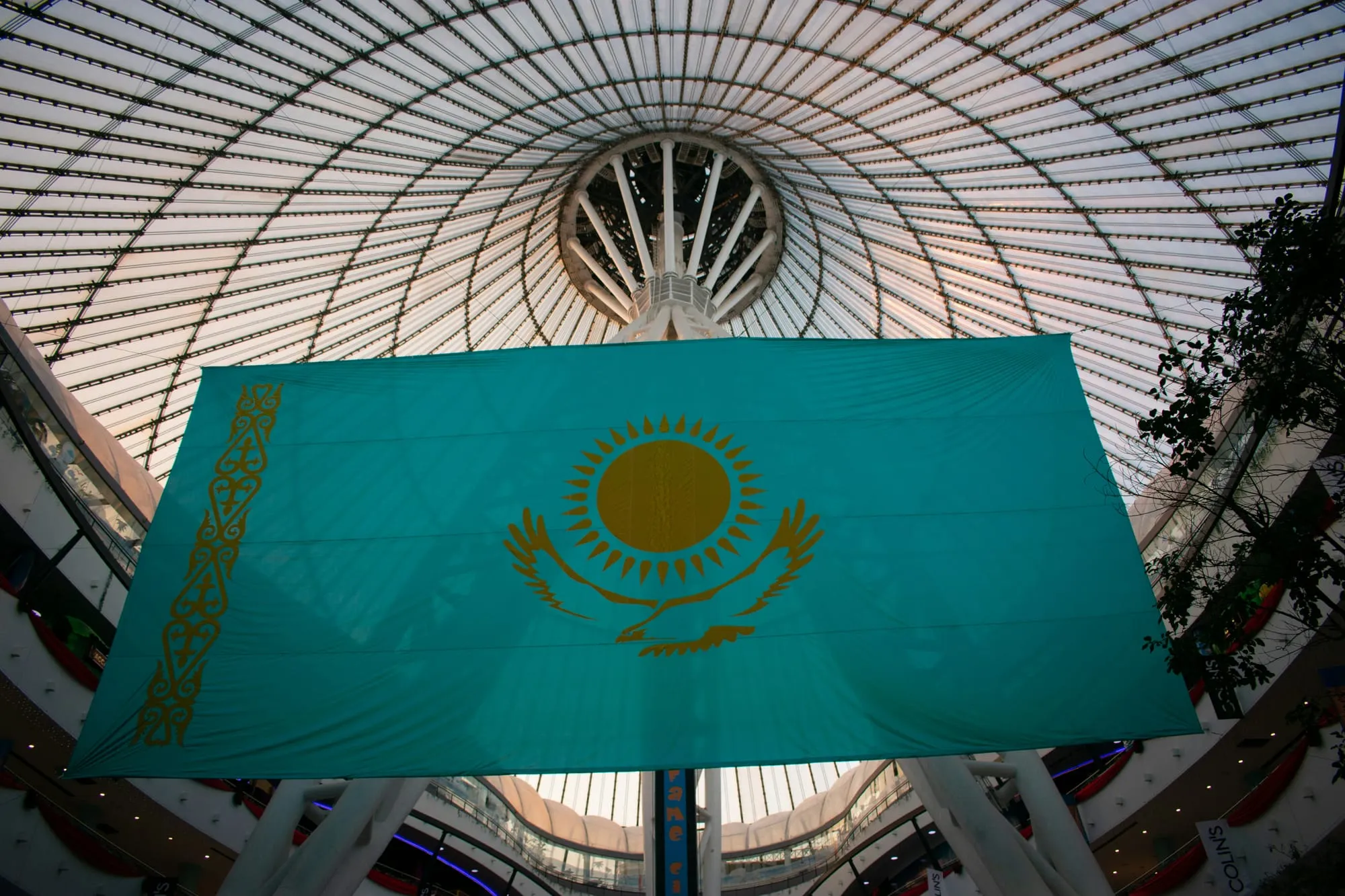
Kazakhstan’s National Bank has launched a pilot project to tokenize commercial real estate within its digital assets regulatory sandbox, enabling issuance of blockchain-based tokens backed by a property interest. The central bank-backed announcement describes a structure in which one token corresponds to one square meter of the underlying commercial asset and is intended to represent a fractional (“digital share”) exposure to real estate. State news agency Qazinform also reported the pilot, citing the National Bank as the source.
According to the same National Bank-cited document, the token was launched on the Apartchain platform by a sandbox participant identified as the company “Альтернативные цифровые сети,” with Nazarbayev University Impact Foundation, Astana Business Campus, and First Validator named as partners. The National Bank’s description frames the initiative as a controlled live test under a “limited regulatory contour,” with monitoring of technological and operational aspects and an assessment of risks and enforcement practice.
Operationally, the pilot is presented as enabling investors to purchase tokens conferring a right to a share of commercial real estate, transact on the platform, and participate in income distribution in proportion to token holdings, while using blockchain to provide a transparent record of rights and transaction history. The announcement does not specify the underlying property, issuance size, eligibility criteria, or the legal classification of the tokens within Kazakhstan’s broader financial framework.
The pilot sits within a regulatory sandbox approach Kazakhstan’s National Bank has previously described as a special regime for testing digital-asset activities and business models, with real estate tokenization listed among early pilot areas under the sandbox umbrella.
In practical terms, the development most directly affects sandbox participants and platform operators engaged in token issuance and secondary transactions, as well as investors who may be able to access fractional real estate exposure through the pilot’s token model as described by the central bank. It also provides a supervised test case for Kazakhstan’s regulator on how tokenized real-estate rights and transaction records are implemented and monitored within a constrained sandbox environment.