
Brazilian Farmers Tokenize Cows on B3 for Farm Loans
Brazilian dairy farmers completed the first tokenized livestock deal on the B3 stock exchange, using tokenized cows as collateral to secure farm loans. The milestone comes as Brazil's agricultural sector faces a deepening credit crisis.
Veranika S
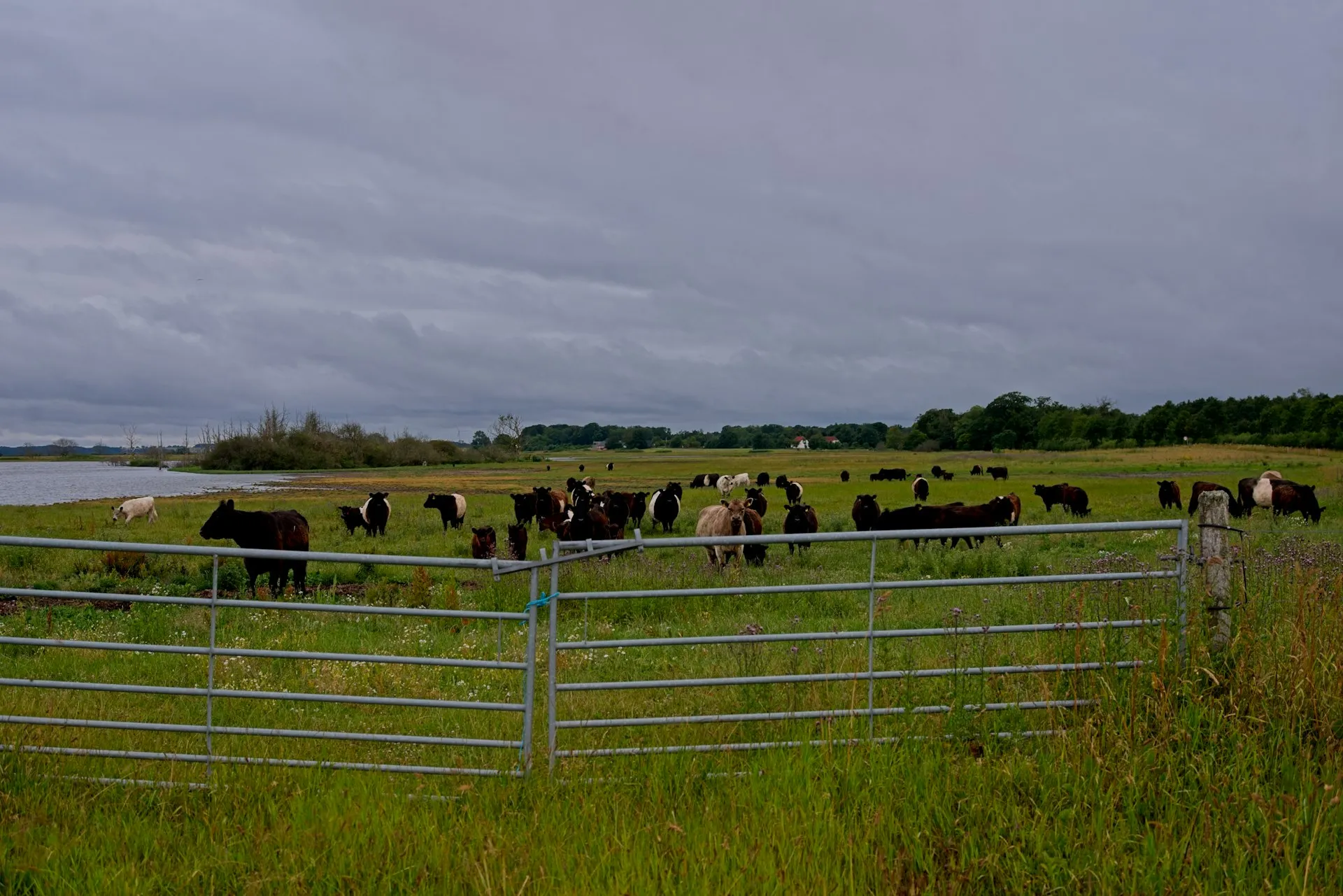
The deal arrives against a severe deterioration in Brazil's dairy sector. According to Cepea (Esalq/USP) data cited by DatamarNews, prices paid to milk producers fell 25.8% in real terms during 2025, ending December at R$1.99 per liter. Dairy exports fell 31.6% over the same period, totaling just 67.58 million liters in milk-equivalent terms, while Brazil imported 2.21 billion liters in milk-equivalent terms for the full year — a volume only 5.9% below 2024's record external purchases. Producers squeezed between collapsing farmgate prices and rising input costs have found conventional credit channels increasingly inaccessible, making alternative collateral structures commercially relevant rather than experimental.
The Brazilian Securities Commission (CVM) reported R$1.3 billion ($250 million) in tokenized assets for 2024, with agribusiness leading that activity. Brazil has separately tokenized 616,000 hectares of farmland as part of a broader strategy to digitize its agriculture-driven economy. In a medium-confidence aggregation by BingX Learn citing RWA Monitor data, Brazil's cumulative tokenized issuances surpassed R$1.5 billion by January 2025, representing 1,134% year-over-year growth. Brazilian startups have also tokenized R$4 billion in SME invoices at financing costs reported to be 17% cheaper than traditional loans.
The livestock transaction fits within B3's stated expansion into tokenized assets. The exchange announced plans to launch a comprehensive tokenization platform alongside a BRL-pegged stablecoin in 2026, initially focused on stock tokenization. As reported by CoinDesk, B3's existing tokenized products are held by roughly 600,000 investors and account for about $2.4 billion in assets under management. The livestock deal preceded the platform's formal launch and was registered directly on B3's existing infrastructure, suggesting the exchange is accepting agricultural RWA registrations ahead of its dedicated tokenization rollout.
For context on Brazil's position globally, Rio Times Online, citing comparative market data, placed Brazil's $250 million tokenized asset volume behind the U.S. at $5.6 billion but ahead of India and Mexico combined. The global RWA on-chain market, according to RWA.xyz data cited by CoinDesk as of late 2025, had grown to top $18 billion, with most tokenized assets concentrated in commodities and U.S. Treasury debt.
Several material details remain undisclosed. The announcement and available reporting do not specify the blockchain network on which the CPR-F tokens were issued, the liquidation mechanics that would apply if Cowmed's monitoring detected a material decline in herd health or value, or the legal enforceability of the on-chain collateral record under Brazilian civil law in the event of borrower default. The parties have not disclosed the fee structure charged by Target FIDC for B3 registration, the minimum herd size required to qualify for the program, or whether BMP Sociedade de Crédito Direto intends to securitize the resulting receivables for secondary-market distribution.
What the transaction concretely establishes is that B3's registry infrastructure can record a tokenized livestock-backed CPR-F loan and that Cowmed's sensor network can generate the continuous data stream required to maintain collateral verification. It does not establish that the structure has been stress-tested through a default scenario, that regulatory guidance from the CVM explicitly covers living-animal collateral tokens, or that the four additional agreements under evaluation by Target FIDC have been formally approved or funded.